What is a muscle tear and how to treat it


You felt that sudden, sharp pain during a workout. Maybe it happened while you were running, lifting weights, or even during a simple stretch. That shooting sensation could be a muscle tear – a common but often misunderstood injury that affects athletes and everyday active individuals alike. 

Whether you are recovering from a recent injury, managing ongoing discomfort, or looking to prevent future problems during your workouts, understanding muscle tears can make all the difference in your recovery journey.

What is a muscle tear?

A muscle tear, also known as a muscle strain or pulled muscle, occurs when muscle fibers stretch too far or tear due to excessive force, sudden movements, or direct trauma. This condition can affect any muscle group, though tears in the calf and thigh muscles, as well as chest and biceps are particularly common.

What are the symptoms of a muscle tear?

Wondering if what you are experiencing is actually a muscle tear? The symptoms typically appear immediately after injury and vary in intensity depending on the severity. Here’s what to look for: 

  • Sudden, sharp pain in the affected area 
  • Swelling and tenderness to touch 
  • Bruising or skin discoloration 
  • Weakness or inability to use the injured muscle
  • Limited range of motion 
In the case of a calf muscle tear, you might wonder if walking is possible. While you may be able to walk with mild tears, it is advisable to limit activity to prevent worsening the injury. Listen to your body – if walking causes significant pain, it is time to rest. 

How to treat a muscle tear

The initial treatment for a muscle tear follows the RICE method, an approach designed to reduce pain and swelling while promoting healing: 

  • Rest: Avoid activities that cause pain in the affected muscle and try not to put any weight on the injuy
  • Ice: Apply an ice pack to the injury for up to 20 minutes every 2-3 hours for the first 2-3 days to reduce swelling
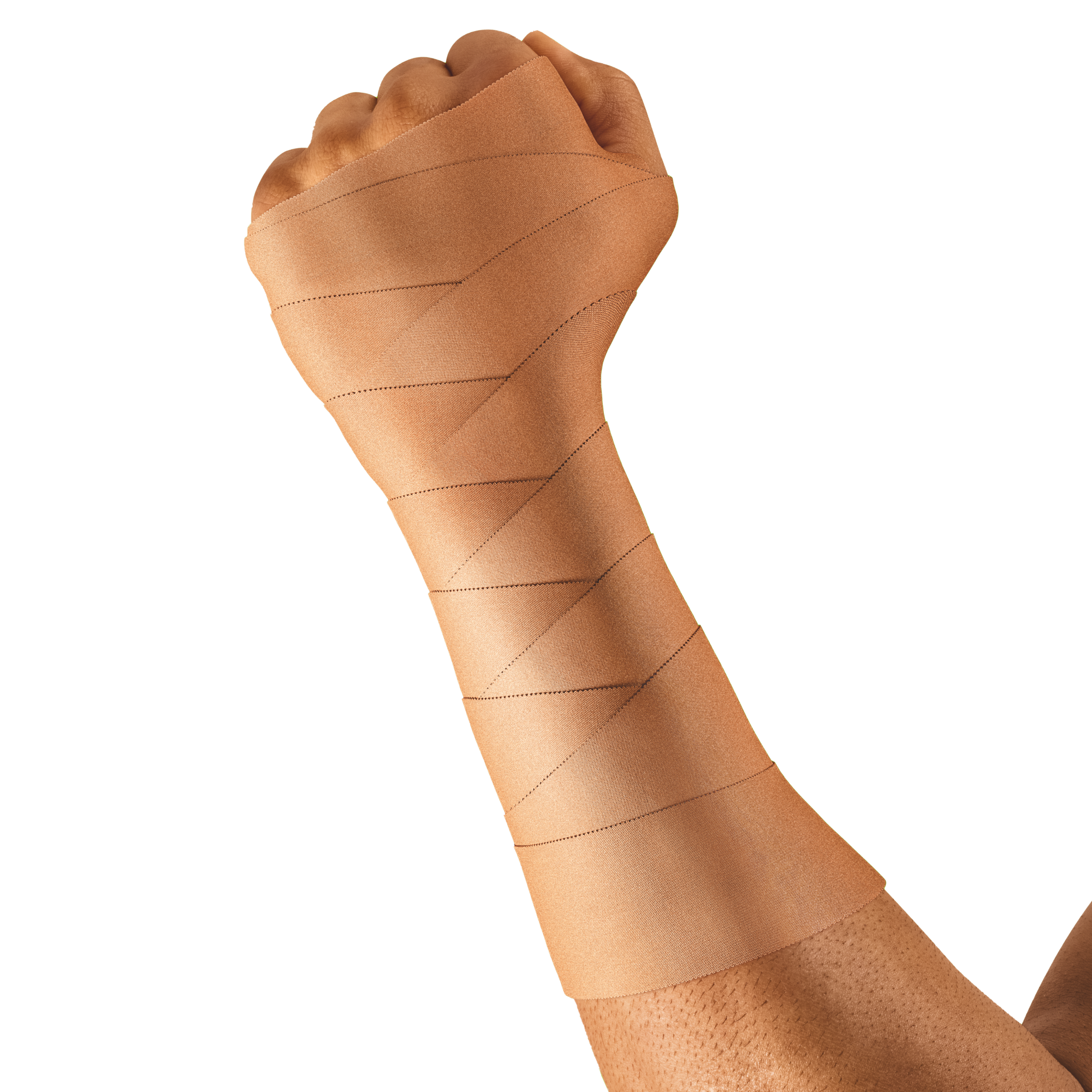
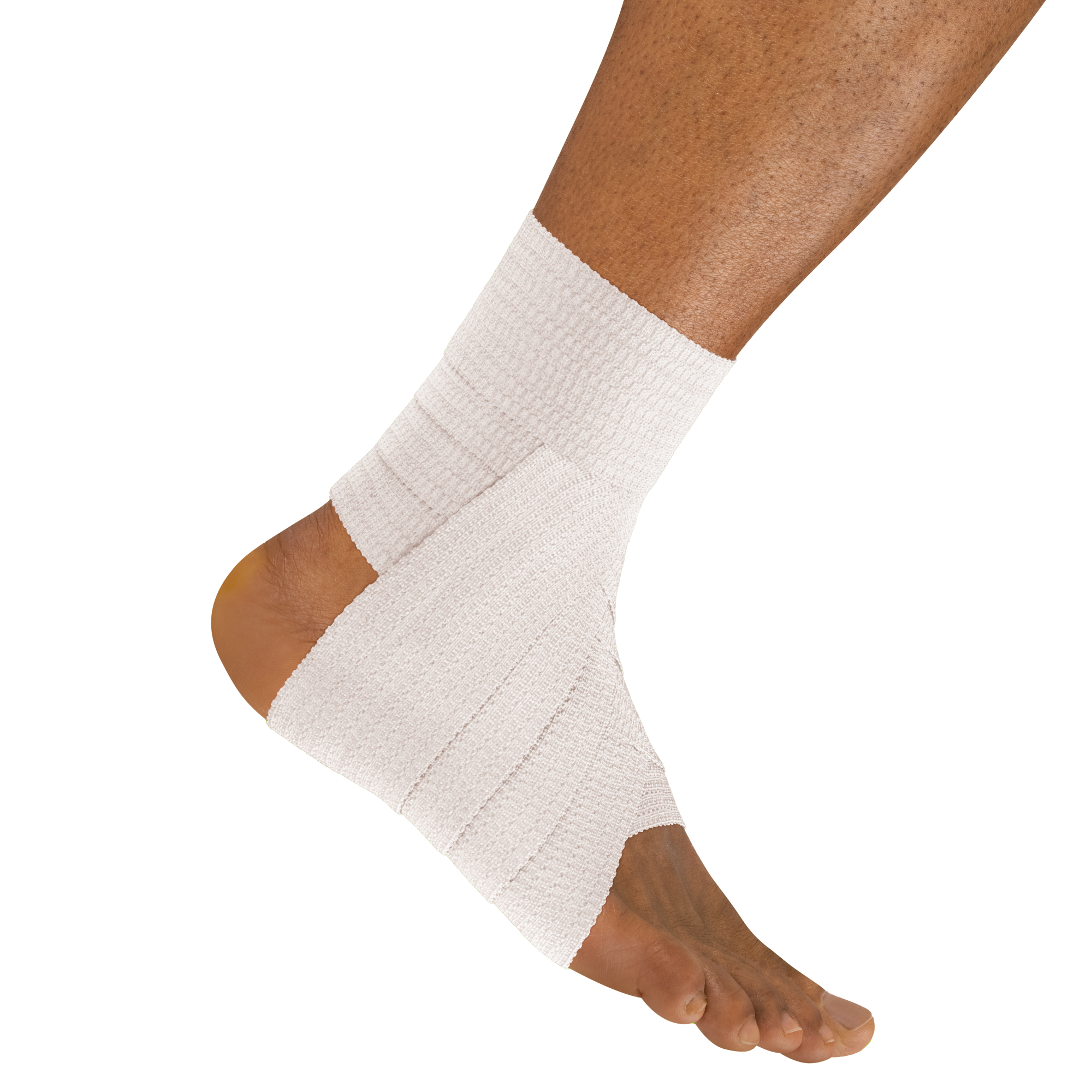
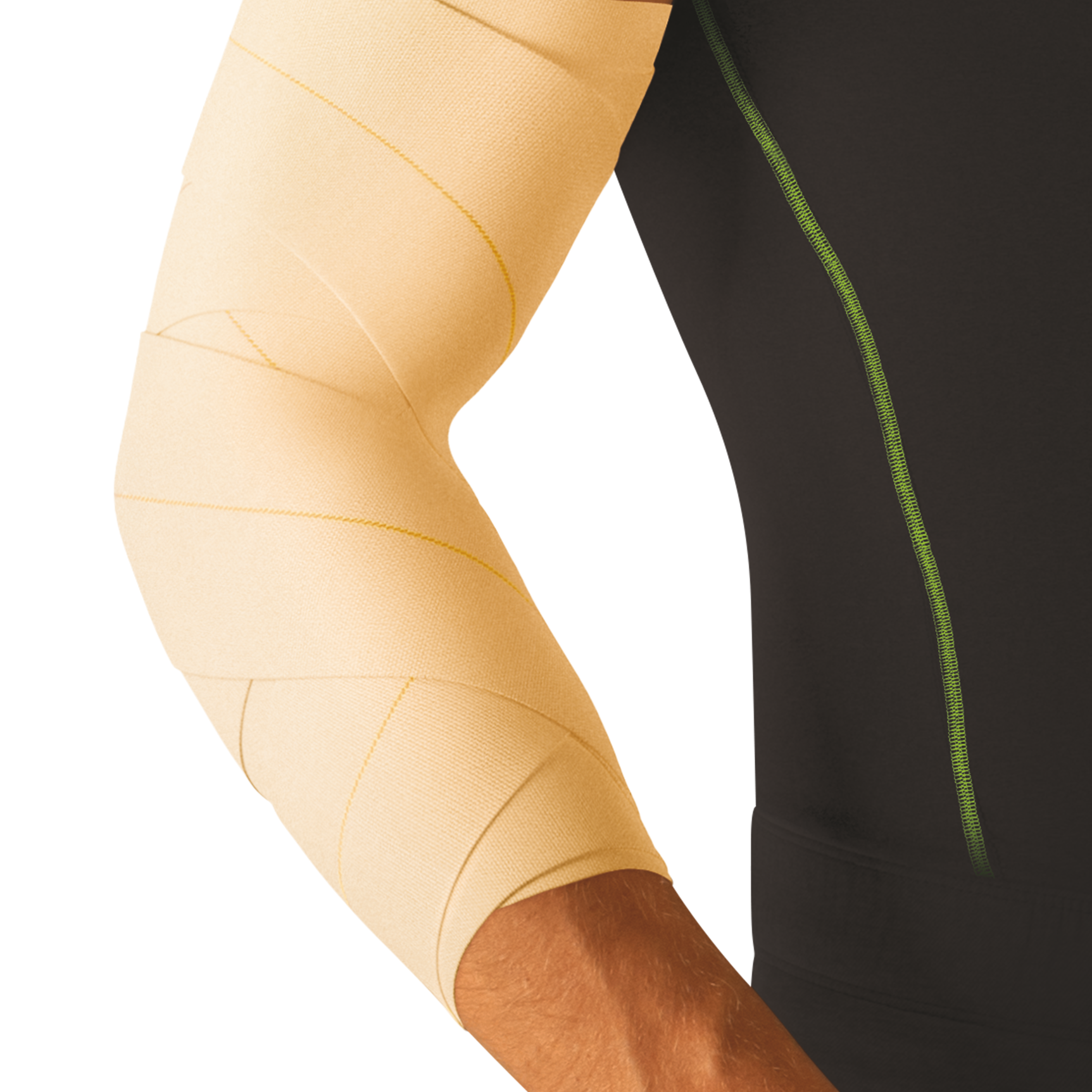
  • Compression: Use a bandage to provide soft tissue support
  • Elevation: Keep the injured area elevated above heart level to reduce swelling
 
To ease the pain, you may want to take paracetamol. Speak to your pharmacist or healthcare professional for advice. 

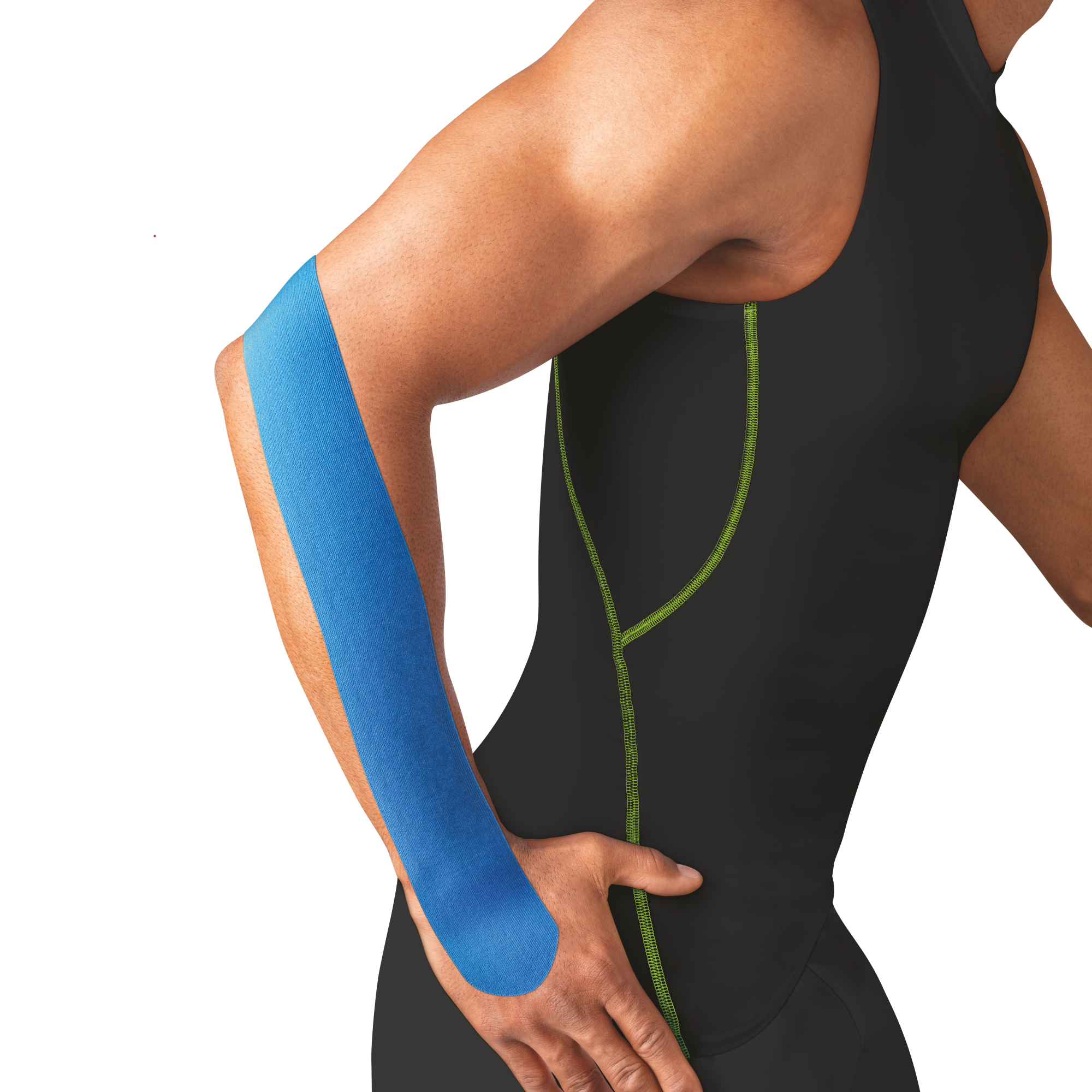
Beyond these immediate measures, kinesiology tape can be particularly beneficial. Leukotape K by Actimove is designed to support muscles, joints, and soft tissues, contributing to pain relief and recovery in various musculoskeletal conditions. When applied correctly, it can support the injured muscle and accelerate the rehabilitation process.

For an accurate diagnosis and appropriate treatment plan, it is essential to consult with a healthcare professional. After all, understanding your specific injury is the first step toward proper healing. In more severe cases, physical therapy may be necessary, or in exceptional situations, surgical intervention might be required to fully restore function.  

Looking to prevent future muscle tears? Start by warming up before any workout or sport. Maintaining good flexibility through regular stretching and strengthening your muscles with consistent exercise creates the foundation for injury prevention. These simple habits can make all the difference in keeping you active and pain-free.

Actimove tapes for muscle strains and other sports injuries

References

  • Instituto Nacional de Artritis y Enfermedades Musculoesqueléticas y de la Piel. (2024). Lesiones deportivas. [National Institute of Arthritis and Musculoskeletal and Skin Diseases. Sports Injuries.] Read more. (in Spanish) 
  • MedlinePlus. (2023). Distensión muscular. [Strains.] Read more. (in Spanish) 
  • Redacción Médica (n.d.). Lesiones musculares. [Muscle injuries.] Read more. (in Spanish)
  • NHS website for England, Health A-Z, Conditions A-Z, Sprains and strains. Page last reviewed: 23  April 2024. Last accessed: 14 January 2026. Access here.

Related articles